Why a Rural Home Inspection is Different from a City Inspection
Buying a home in the country? Congrats! Rural living comes with space, privacy, and charm, but it also comes with some extra responsibilities. That’s why a rural home inspection is very different from a city inspection.
RESIDENTIAL
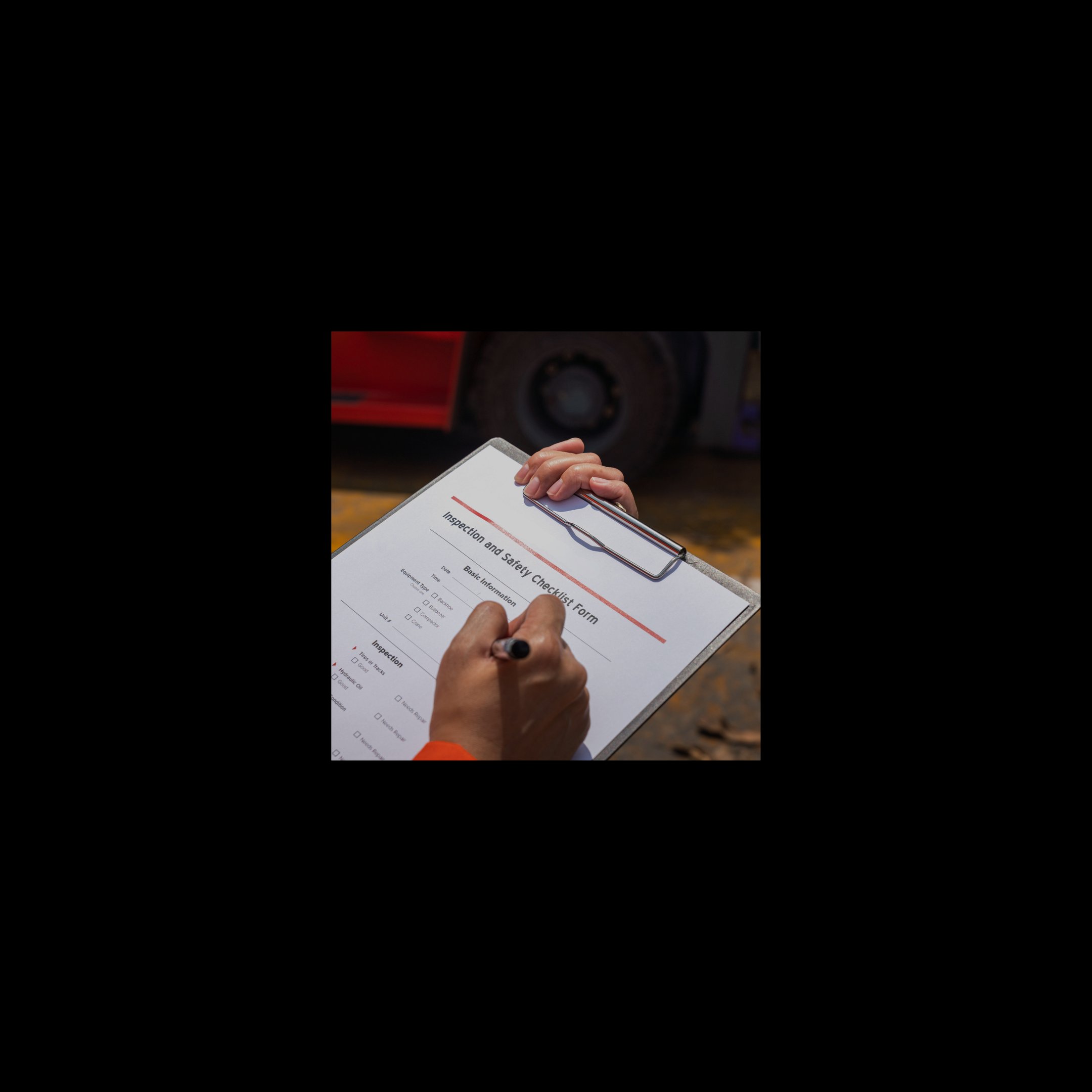
Buying a home in the country? Congrats! Rural living comes with space, privacy, and charm, but it also comes with some extra responsibilities. That’s why a rural home inspection is very different from a city inspection.
At Just Call Joe Inspections, we see firsthand how rural properties need special attention to things city homes don’t even have. Here’s what sets them apart—and what you should know before you buy.
1. Water Systems
City homes usually have municipal water, so the inspector only checks for leaks, water pressure, and basic plumbing issues.
Rural homes often rely on wells, pumps, or cisterns. Inspecting these systems includes:
Testing water quality
Checking the well pump, pressure tank, and plumbing connections
Looking for signs of contamination or low water flow
Water is life, and in rural properties, it needs a closer look. Even small issues like sediment in the tank or low water pressure can indicate larger problems down the line.
2. Waste Management
City homes are usually connected to a municipal sewer system, easy, predictable, and straightforward to inspect.
Rural homes often use septic systems, holding tanks, or other private waste systems. A rural inspection includes:
Evaluating the septic tank and drain field
Checking for backups or leaks
Assessing age, maintenance history, and capacity
A failing septic system can be expensive and disruptive, so this is one area where a thorough inspection can save you thousands.
3. Roof, Siding, and Exterior
Rural homes are often exposed to harsher weather conditions, wind, snow, and sun can take a toll faster than in the city. Inspecting exterior elements is essential:
Roof condition and shingles
Siding, paint, or exposed wood
Gutters, drainage, and grading
Even small exterior issues can turn into big problems if left unchecked, especially when water or ice can reach vulnerable areas.
4. Electrical and Heating Systems
Rural homes sometimes have unique setups, like propane heating, wood stoves, or well pumps connected to the electrical system. A rural inspection checks:
Electrical panels and circuits
Safety of wiring for older systems
Heating system efficiency and proper operation
These systems are often different from city homes and need specialized knowledge to inspect properly.
5. Specialized Knowledge Matters
Rural inspections require an inspector who knows how to assess wells, septic systems, and other unique rural property features. It’s not just about the house—it’s about the whole property.
A city-focused inspector might miss things that could cost you thousands down the road, from hidden drainage problems to older water or electrical systems.
Rural living is amazing, but it comes with its own set of challenges. A thorough rural inspection ensures you know exactly what you’re buying, giving you confidence in your investment.
At Just Call Joe Inspections, we specialize in rural properties across Manitoba and eastern Saskatchewan. From wells to septic tanks, roofing to heating systems, we make sure every detail is covered.
✆ (431) 996-4663
Contact Us
Residential
Commercial
✉ Contact@justcalljoe.ca