Old Homes Need a Different Inspection
There's something special about an older home. Whether it's the original woodwork, character windows, solid plaster walls, or unique architectural details, older homes have a charm that newer homes simply can't replicate. But with that character comes a different set of challenges.
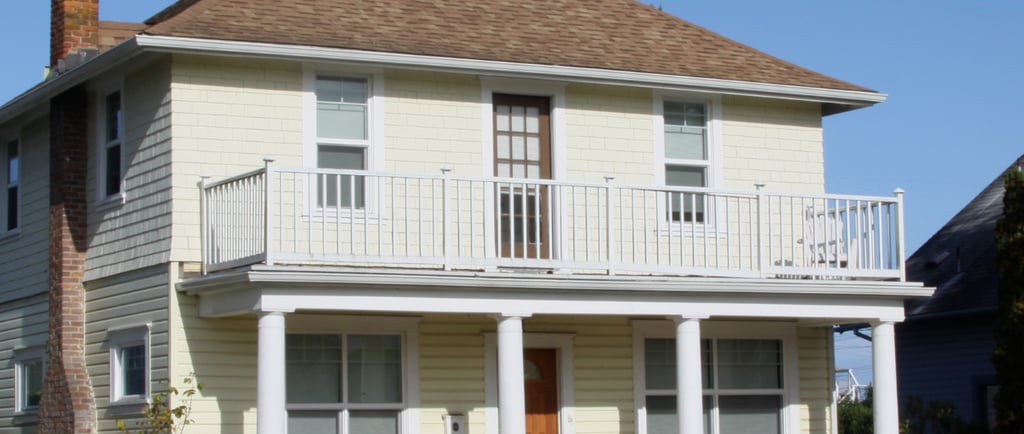
There's something special about an older home.
Whether it's the original woodwork, character windows, solid plaster walls, or unique architectural details, older homes have a charm that newer homes simply can't replicate.
But with that character comes a different set of challenges.
An inspection on a 100-year-old home isn't the same as an inspection on a home built 10 years ago. Experience matters, expectations matter, and understanding how older homes were built matters.
Older Doesn't Mean Worse
One of the biggest misconceptions we hear is that older homes are "bad."
That's simply not true.
Some century homes are in outstanding condition because they've been well maintained.
At the same time, we've inspected relatively new homes with major defects.
The age of a home tells part of the story, but maintenance tells the rest.
Every Generation Was Built Differently
Building materials and construction methods have changed dramatically over the decades.
Depending on the age of the home, you may encounter:
Knob and tube wiring
Aluminum wiring
Galvanized plumbing
Cast iron drain lines
Stone foundations
Rubble foundations
Vermiculite insulation
Wood foundations
Balloon framing
Original clay sewer lines
None of these automatically mean there's a problem.
They simply require an inspector who understands what they're looking at.
Renovations Can Hide Problems
Many older homes have been renovated several times.
Sometimes those renovations improve the home.
Sometimes they cover up defects.
We've seen beautiful finished basements hiding foundation issues, modern drywall covering improper electrical work, and fresh paint concealing long-term moisture damage.
Cosmetic updates are never a substitute for a thorough inspection.
Settling vs. Structural Movement
One of the biggest concerns buyers have in older homes is cracking.
Not every crack is structural.
Many older homes have settled over decades and remain perfectly stable.
The important question isn't whether cracks exist.
It's whether they're active, changing, or indicating movement that needs further evaluation.
Understanding the difference requires experience.
Moisture Is Often the Biggest Enemy
Many older homes weren't originally built with today's waterproofing standards.
Over the years, changes in grading, landscaping, gutters, or drainage can introduce moisture problems that weren't present when the home was first built.
Signs we look for include:
Efflorescence
Water staining
Dampness
Rot
Foundation deterioration
Poor drainage
Improper attic ventilation
Upgrades Don't Always Mean Improvements
Just because something looks new doesn't mean it was installed correctly.
One of the most common things we find is newer renovations completed without proper workmanship.
Examples include:
Improper attic ventilation after roof replacement
Incorrect bathroom fan venting
Plumbing modifications
Electrical additions
DIY structural alterations
New doesn't always mean better.
Maintenance Is Even More Important
Older homes reward proactive maintenance.
Simple annual inspections and routine upkeep often prevent expensive repairs while preserving the home's character.
Ignoring maintenance usually costs far more than staying ahead of it.
Don't Be Afraid of an Older Home
Older homes can be wonderful investments.
The key is understanding what you're buying.
Knowing which issues are expected, which require monitoring, and which deserve immediate attention helps buyers make informed decisions instead of emotional ones.
Every home tells a story.
Older homes simply have more chapters.
The right inspection helps separate normal age-related wear from significant concerns, giving you confidence whether you're buying, selling, or maintaining a character home.
Experience Matters
At Just Call Joe Inspections, older homes are one of our specialties. We inspect homes of every age across Manitoba and understand the unique construction methods, materials, and maintenance challenges that come with them. If you're considering an older property, let us help you understand its history, and its future.
✆ (431) 996-4663
Contact Us
Residential
Commercial
✉ Contact@justcalljoe.ca