Frozen Pipes in Rural Homes: What I Look for as an Inspector (Early Warning Signs You Shouldn’t Ignore)
Living in a rural home comes with a lot of perks; quiet nights, big skies, and a sense of space you just don’t get in town. But it also comes with unique challenges, especially in the winter. One of the biggest issues I see as a home inspector is frozen pipes.
Living in a rural home comes with a lot of perks; quiet nights, big skies, and a sense of space you just don’t get in town. But it also comes with unique challenges, especially in the winter. One of the biggest issues I see as a home inspector is frozen pipes. When temperatures drop and wind chills set in, any vulnerable plumbing line becomes a risk.
Catching frozen pipes early can save you thousands in water damage, repairs, and emergency plumbing calls. Here’s what to look for during a rural home inspection , and what homeowners can watch for before things turn into a major problem.
1. Slow or No Water Flow
One of the first telltale signs of a frozen pipe is reduced water pressure or a complete stop in flow, especially at:
Exterior wall faucets
Second-floor bathrooms
Kitchens with sinks on outside walls
Rural homes often have longer plumbing runs or exposed piping between outbuildings, making them more vulnerable. If only one fixture is slow, that’s a red flag for a localized freeze.
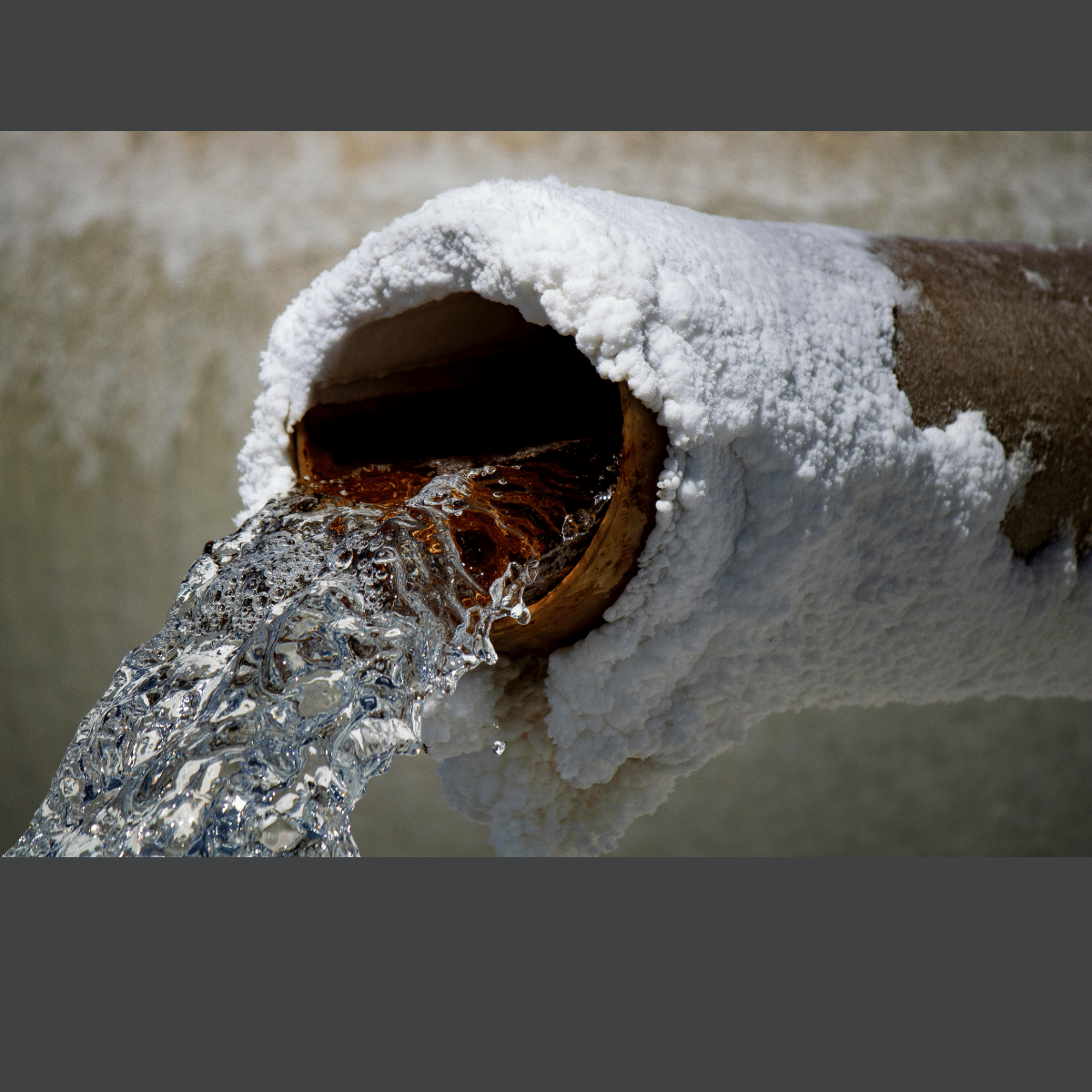
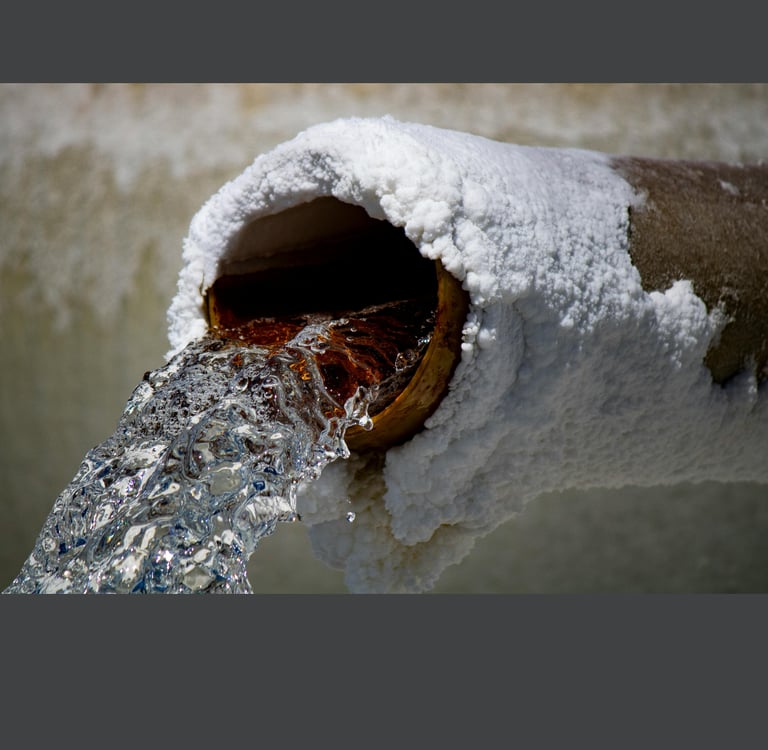
2. Frost or Ice on Visible Pipes
When I inspect crawlspaces, basements, utility rooms, and outbuildings, I check for:
Frost buildup on copper or PEX lines
Ice crystals forming around joints or elbows
Condensation that doesn’t melt
These are signs that temperatures around the pipe have dropped below freezing , even if the pipe hasn’t burst yet.
3. Cold Spots Behind Walls
Rural homes often have older insulation, additions, or areas exposed to wind. Using thermal tools and experience, I look for:
Unusual cold patches along exterior walls
Gaps in insulation near plumbing chases
Floors that feel noticeably colder above crawlspaces
These cold spots can point to pipes hidden behind the wall that are freezing or already frozen.
4. Strange Smells Coming From Drains
A frozen drain line can trap odors instead of venting them properly. If I notice:
Sewer smells
Musty odors near sinks or tubs
Gurgling noises
…it often leads me to drain pipes that are partially frozen in unheated areas like crawlspaces or under additions.
5. Bulging, Swollen, or Deformed Pipes
This is one of the most serious warning signs. Pressure builds behind a freeze, and pipes start to swell before they burst. During an inspection, I look for:
Pipes that appear out-of-round
Stretched PEX that looks “ballooned”
Joints that look stressed or pulled
This means a freeze has already occurred, and the pipe is close to failing.
6. Exposed Lines in Rural Add-Ons
Rural properties often have:
Mudrooms added on over time
Summer kitchens
Pump houses
Well sheds
Barn apartments
These spaces aren’t always insulated properly. I inspect every exposed water line in these areas to make sure they’re protected, heated, or shut down for winter.
7. Issues with Well Systems
Well systems freeze differently than municipal systems. I look for:
Frost on the pressure tank
Heat tape that’s unplugged or not working
Frozen lines from the well to the house
Poorly insulated well pits
A frozen well line can shut down the entire home , not just part of it.
8. Ice Buildup Around the Foundation
Frost heave and poor grading can push cold air toward the foundation, creating the perfect conditions for freezing pipes. During an exterior inspection, I take note of:
Icicles forming low on siding
Water pooling and freezing near the home
Exposed foundation cracks
These conditions often lead directly to frozen pipes inside.
Why This Matters
Frozen pipes can lead to:
Burst pipes and flooding
Mold growth
Damage to drywall and flooring
Out-of-pocket repair bills that insurance may not fully cover
The earlier these signs are caught, the easier and cheaper , repairs become.
In rural homes, the plumbing system is often more complex and more exposed than in the city. Inspections in winter (or late fall) give me a chance to catch early indications before the cold really hits. Whether you’re buying a rural property or maintaining the one you already have, keeping an eye on these early signs can protect your home from one of winter’s most expensive problems.
If you’d like a winter-ready inspection or want to check your rural home before the temperature drops, I’m always here to help.
✆ (431) 996-4663
Contact Us
Residential
Commercial
✉ Contact@justcalljoe.ca