DIY Septic Inspections: What to Look For
If you live in a rural home, your septic system is one of the most important, but often overlooked, parts of your property. A malfunctioning septic system can lead to costly repairs, unpleasant odors, or even property damage.
RESIDENTIAL
If you live in a rural home, your septic system is one of the most important, but often overlooked, parts of your property. A malfunctioning septic system can lead to costly repairs, unpleasant odors, or even property damage.
While we always recommend a professional inspection for a thorough check, there are a few things homeowners can do themselves to spot potential issues early. Here’s a simple guide to help you stay on top of your system.
1. Check for Slow Drains
If sinks, tubs, or toilets are draining slower than usual, it could be a sign that your septic tank or drain field is struggling.
Slow drains in multiple areas of the house can indicate a larger issue.
Take note of recurring clogs; they’re more than just minor annoyances.
2. Look for Standing Water or Wet Spots
A healthy drain field should absorb water without leaving puddles on the surface.
Wet, soggy spots in your yard, especially near the septic tank or drain field, are a warning sign.
Avoid driving or parking heavy equipment on these areas, as they can compact soil and damage the system.
3. Watch for Odors
Septic systems are designed to contain waste underground, not make your yard smell like one big outhouse.
Any strong, sewage-like odor near the tank or drain field is a red flag.
Odors inside the home near plumbing fixtures are also a concern.
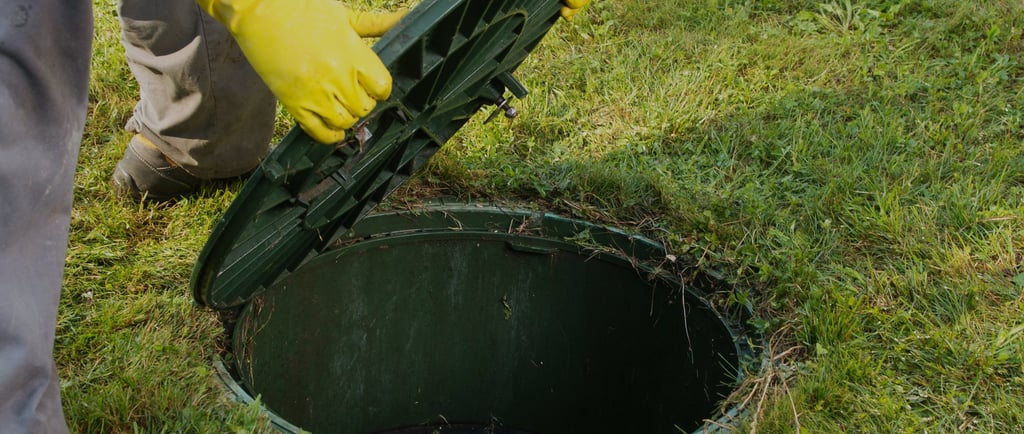
4. Check the Tank Access Lid
If you feel comfortable and it’s safe, inspect the septic tank lid for:
Cracks or damage
Signs of shifting or sinking
Evidence of water pooling around it
This gives you a visual cue that the system may need attention. Never remove the lid completely unless you are trained to do so.
5. Look for Lush, Overly Green Patches
A drain field that is working properly shouldn’t create areas of unusually green or thriving grass.
Extra growth often means wastewater is surfacing rather than being absorbed.
This can indicate a leak or failure in the system.
6. Keep Up With Pumping and Maintenance
Even if everything looks okay, a septic tank needs regular care.
Most systems require pumping every 3–5 years, depending on household size and tank capacity.
Skipping maintenance can turn small problems into major expenses.
A DIY septic inspection isn’t meant to replace a professional inspection—it’s a way to spot early warning signs and prevent costly problems.
At Just Call Joe Inspections, we can provide thorough septic inspections that uncover hidden issues, explain your system, and give you peace of mind. Catch problems early, save money, and protect your home.
✆ (431) 996-4663
Contact Us
Residential
Commercial
✉ Contact@justcalljoe.ca